
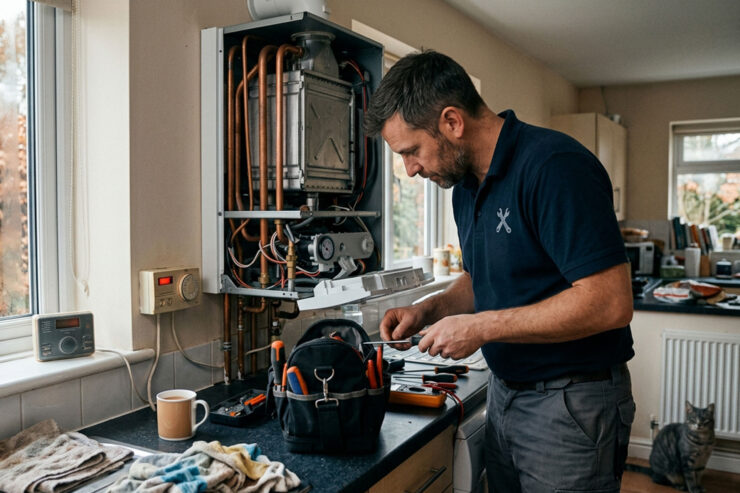
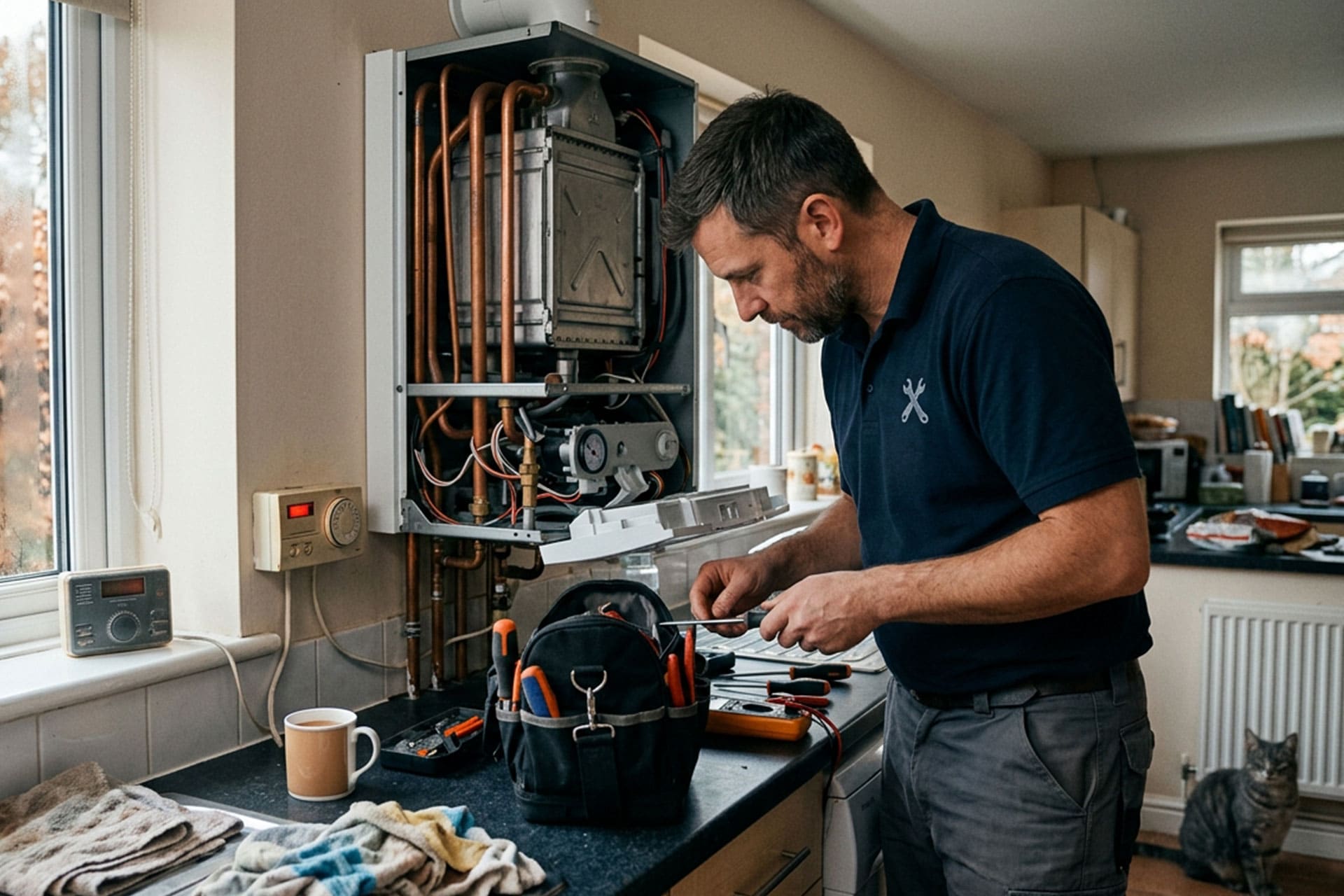
As temperatures begin to drop across the UK, many households switch their central heating back on after several months without using it regularly. For some homeowners, this is when they discover their boiler is no longer working as expected. From radiators that refuse to warm up to boilers that lose pressure or stop working altogether, autumn can bring a fresh wave of heating problems.
For plumbing and heating engineers, this seasonal change can mean more servicing appointments, repair jobs and emergency callouts. Understanding why boilers develop faults after a period of inactivity can help homeowners spot potential problems early and know when to call a qualified professional.
Why Do Boilers Develop Problems After Summer?
Boilers are used less frequently during warmer months, particularly when households only need hot water and have switched off their central heating. Although this break does not automatically cause a boiler to fail, existing faults can become apparent when the system is put back into regular use.
Several issues can affect a boiler as the colder weather arrives.
Low Boiler Pressure
Boiler pressure can drop over time, potentially preventing a central heating system from operating correctly. Homeowners may notice that their radiators are not heating properly or that the boiler displays a warning or fault code.
A small pressure change is not always a sign of a serious problem. However, repeated pressure loss could indicate a leak or another underlying fault that needs professional attention.
Radiators Not Heating Properly
After months without using the central heating, homeowners may discover that some radiators remain cold or take longer than usual to warm up. Trapped air, sludge accumulation, or problems with the heating controls can all contribute to poor performance.
Bleeding a radiator may resolve an air-related issue, but persistent problems should be investigated by a qualified heating engineer to prevent unnecessary damage or disruption.
Boiler Ignition Problems
A boiler that fails to ignite may leave a household without heating or hot water. Ignition faults can have several causes, including problems with the ignition components, gas supply or electrical connections.
Homeowners should avoid attempting internal repairs themselves. A qualified Gas Safe registered engineer can investigate the fault and determine the appropriate repair.
Thermostat and Heating Control Faults
Sometimes, the boiler itself is not the problem. Incorrect thermostat settings, depleted batteries in wireless controls or faulty timers can prevent the heating from switching on when expected.
Checking the settings and replacing batteries where necessary can help identify simple issues. If the system still fails to respond, professional diagnosis may be needed.
How Can Homeowners Reduce the Risk of a Boiler Breakdown?
Although not every fault can be prevented, regular maintenance can help identify potential problems before the coldest weather arrives.
Booking an annual boiler service allows a qualified engineer to inspect the appliance, check its operation and identify signs of wear or developing faults. Homeowners should also familiarise themselves with their boiler’s pressure gauge, warning indicators and manufacturer’s instructions.
It is sensible to test the heating before temperatures fall significantly. This gives households more time to arrange repairs without relying on an emergency appointment during a particularly cold spell.
Homeowners should never remove boiler casings or attempt repairs involving gas components. Gas appliances should only be worked on by appropriately qualified professionals.
What Does the Autumn Rush Mean for Plumbing and Heating Engineers?
When boilers begin failing across the colder months, plumbing and heating businesses may experience an increase in demand. Customers who have suddenly lost their heating often need assistance quickly, while routine servicing and installation work can continue alongside emergency repairs.
Managing a busy schedule can be challenging, particularly for sole traders and smaller businesses. Engineers need to balance prompt customer service with safe working practices, thorough inspections and appropriate time for each job.
The nature of the work also brings practical risks. Engineers may need to work in confined cupboards, move equipment through customers’ homes or investigate faults in properties where a leak has already caused damage. Even when work is carried out carefully, accidents can happen.
For example, an accidental leak during a repair could damage flooring, furniture or electrical equipment. Depending on the circumstances, the engineer could face a claim for the resulting damage.
Why Is Public Liability Insurance Important for Heating Engineers?
Public liability insurance is worth considering for plumbing and heating businesses that work in customers’ homes or commercial premises. It can provide cover for certain claims involving accidental injury to third parties or damage to their property, subject to the policy’s terms, conditions and exclusions.
However, public liability insurance does not automatically cover every problem arising from a boiler repair. The precise cover available will depend on the policy, the circumstances of the incident and any applicable exclusions.
Heating engineers should review their insurance arrangements regularly to ensure the cover is appropriate for the work they undertake. This is particularly important when seasonal demand increases and businesses take on additional jobs.
Ashburnham Insurance provides public liability insurance for plumbers and heating engineers. Businesses can find out more about the available cover and consider their requirements before the busy winter period begins.